
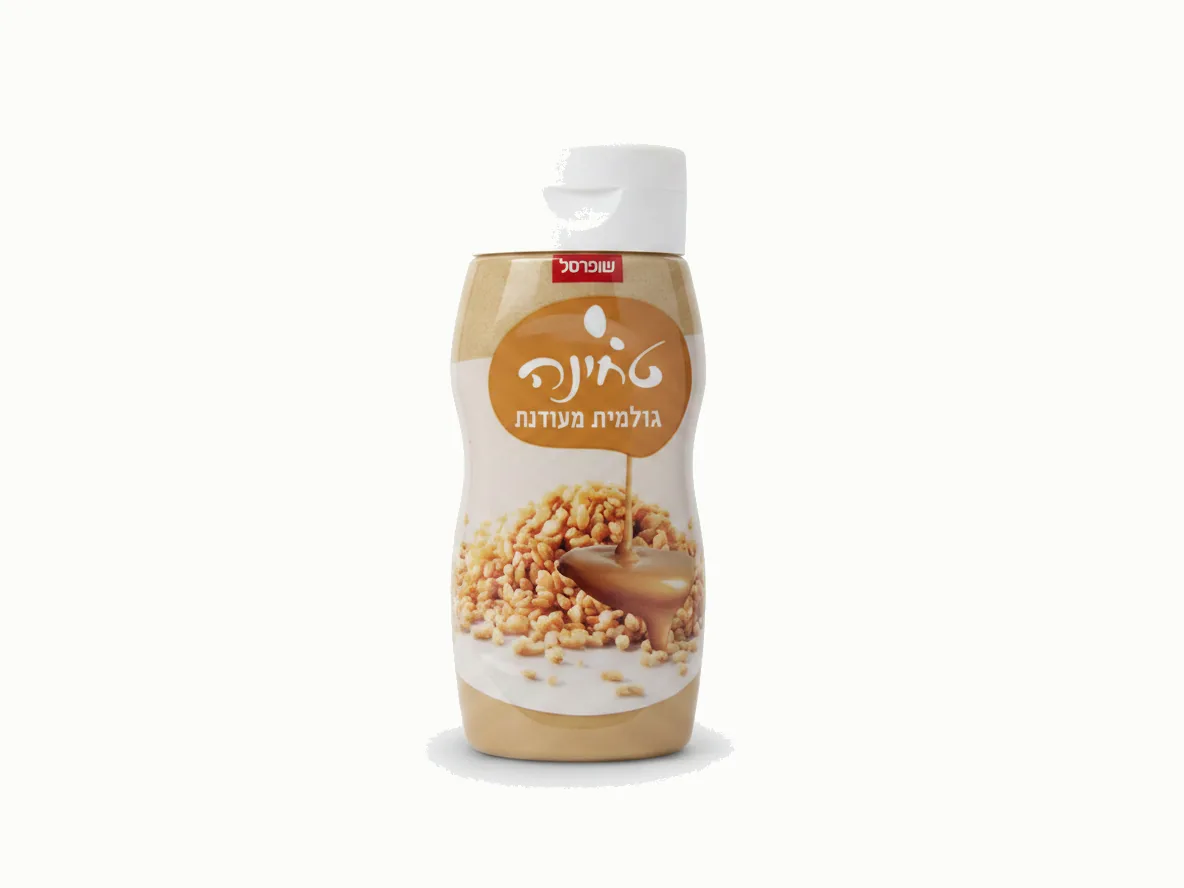

Refined Raw Tahini
Shufersal
High confidence
Wellbeing
39%
Safety
90%
Nutri-Score
D
NOVA
1
A food for consumption
Some nutritional downsides — not ideal as an everyday choice.
About this product
This product's wellbeing score is 39%, which sits below the neutral 50% mark and indicates a less favorable wellbeing profile for a food item, while its safety score of 90% suggests a relatively low risk of immediate safety issues. Its Nutri-Grade of D further points to a less favorable overall nutritional composition.
Sesame seeds are the sole ingredient and form the product's nutritional base, contributing plant-based fats, protein, and minerals that give tahini its rich texture and make it a versatile food for direct consumption.
The same sesame seeds also carry the main concerns: sesame allergy is a high-risk issue for sensitive individuals, ethylene oxide (EtO) contamination is a high concern because the compound is sometimes used as a fumigant in sesame supply chains, and Salmonella risk is rated medium, which matters since tahini is often eaten without cooking.
Overall, this is a simple single-ingredient food with a strong safety record, but its below-neutral wellbeing score and the allergy, contamination, and Salmonella concerns mean it is best selected with those factors in mind.
Nutrition
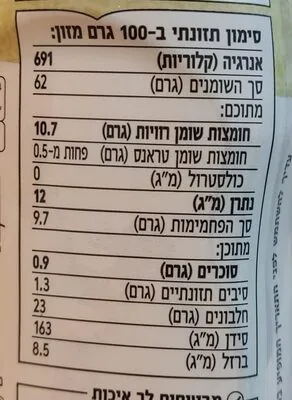
Per 100 g
- Energy
- 2891.144 kJ
- Sugars
- 0.9 g
- Saturated fat
- 10.7 g
- Salt
- 0.03 g
- Fiber
- 1.3 g
- Protein
- 23 g
Allergens
Contains
Always verify the physical product label. Do not rely on this page alone if you have a severe allergy.
Ingredients
- Sesame seedsWellbeing50%Safety90%
Open Zenlo for per-ingredient deep-dives, methodology, and personal allergen alerts.
How we rate
Scores combine ingredient research, exposure routes, and label transparency. Full methodology is in the Zenlo app.
Open in Zenlo
See the full score breakdown, ingredient deep-dives, methodology, and personal allergen alerts.
Open in ZenloPremium analysis available in the app