
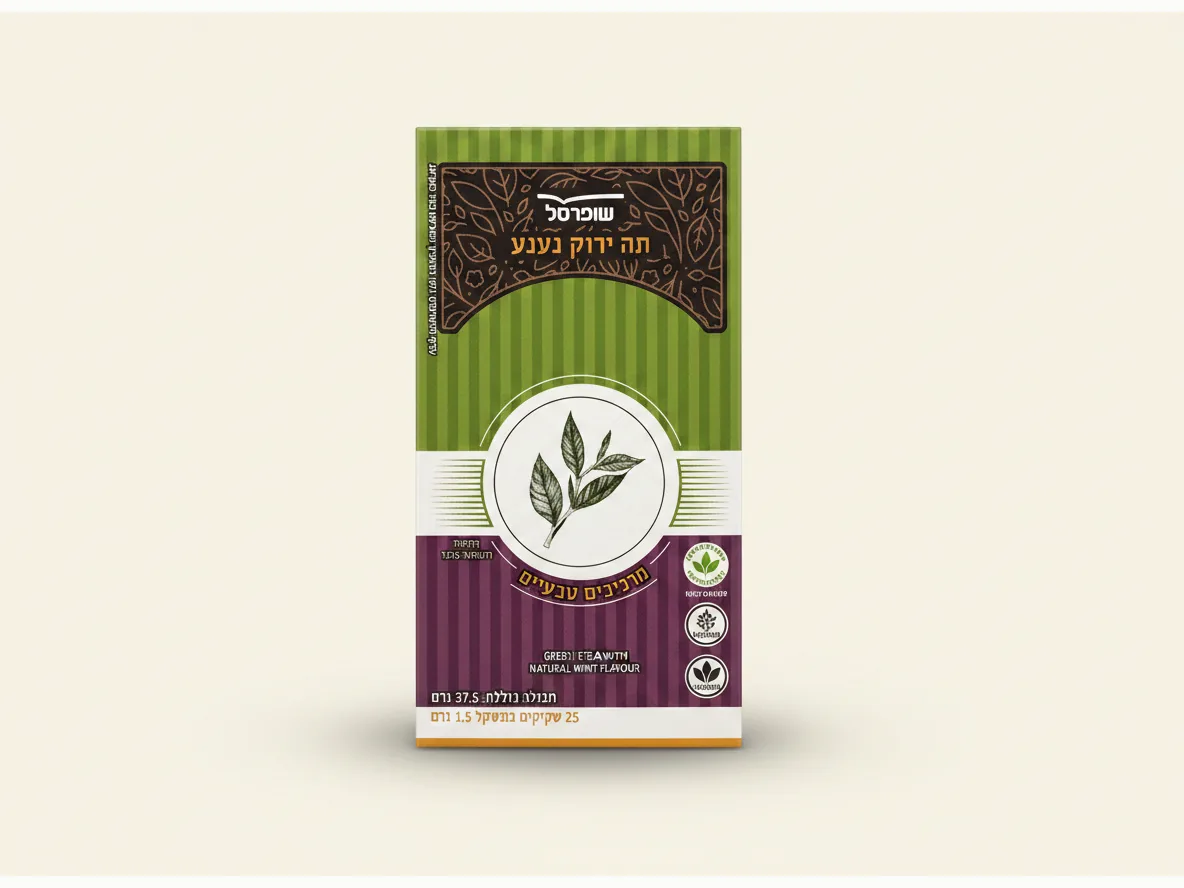
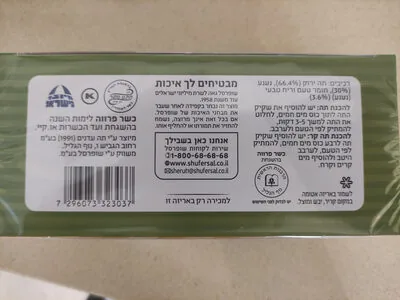
Green Tea Mint
Shufersal
Medium confidence
- Hidden ingredients
Wellbeing
40%
Safety
86%
Nutri-Score
C
NOVA
1
A beverage for consumption
Some nutritional downsides — not ideal as an everyday choice.
About this product
This beverage has a wellbeing score of 40%, which falls below the neutral 50% mark, indicating that its overall effect on wellbeing is somewhat unfavorable for a consumable product. Its safety score of 86%, however, suggests a relatively low level of potential harm compared with other beverages.
The product relies on green tea and mint as its core ingredients. Green tea contributes a base of catechins and a modest amount of caffeine, which may help support alertness and provide antioxidant intake. Mint adds a refreshing flavor and may have mild soothing properties, making the drink easy to enjoy as part of a daily routine.
The main flagged concerns involve green tea, which carries a high noted risk of liver injury when used in certain concentrated forms, along with a low caffeine content and a low risk of extract contaminants. Mint shows a medium liver toxicity concern, with low acute toxicity and a low likelihood of allergic reactions. These risks are generally more relevant to high-dose extracts or supplements than to typical beverage use, but they remain worth noting.
Overall, this minty green tea beverage offers a recognizable flavor and a strong safety profile, though its below-neutral wellbeing score suggests it is best consumed in moderation and as part of a varied diet.
Ingredients
- Green teaWellbeing42%Safety85%
- MintWellbeing50%Safety90%
Open Zenlo for per-ingredient deep-dives, methodology, and personal allergen alerts.
How we rate
Scores combine ingredient research, exposure routes, and label transparency. Full methodology is in the Zenlo app.
Open in Zenlo
See the full score breakdown, ingredient deep-dives, methodology, and personal allergen alerts.
Open in ZenloPremium analysis available in the app